


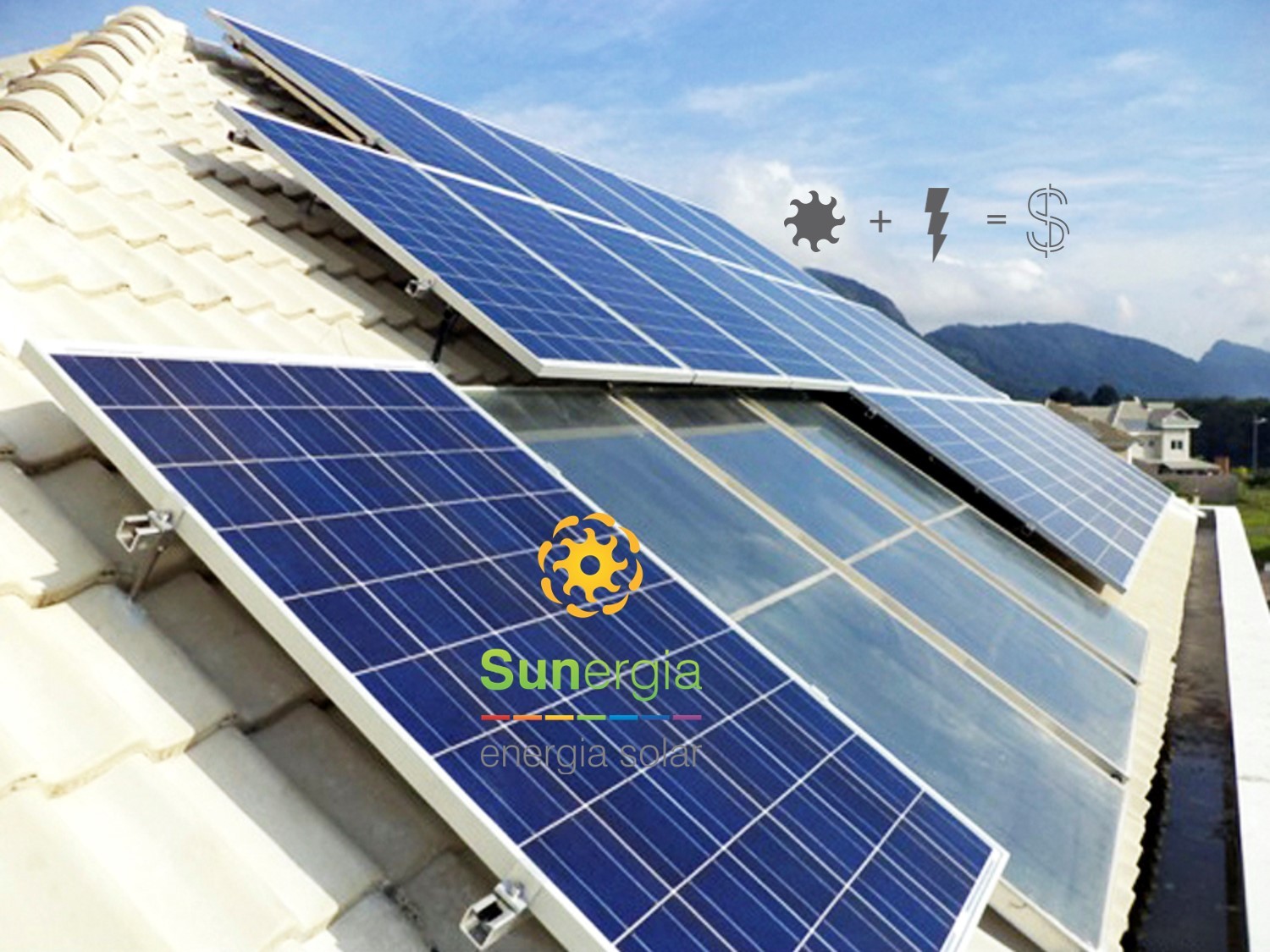
1. PV Modules (Painéis Fotovoltaicos)
The heart of any solar installation, PV modules are arrays of photovoltaic cells that directly convert sunlight into direct current (DC) electricity. Modern modules typically use monocrystalline or polycrystalline silicon technology, offering high efficiency and durability under varying climatic conditions.
2. On-Grid Inverters (Inversores On-Grid)
Since most electrical grids operate on alternating current (AC), inverters are required to convert the DC power generated by PV modules into AC power. On-grid inverters synchronize with the utility grid, allowing excess energy to be fed back into the network while ensuring compliance with grid codes and safety standards.
3. Battery Energy Storage Systems – BESS (Sistemas de Armazenamento de Energia)
BESS units store surplus electricity generated during peak sunlight hours for use during periods of low generation or high demand. Lithium-ion batteries are currently the most common choice due to their high energy density and long cycle life. Integration with smart management systems enables optimized charging/discharging cycles and enhances grid stability.
4. Mounting Structures (Estruturas de Fixação)
Robust mounting structures secure PV modules to rooftops, ground surfaces, or facades. These must be engineered to withstand wind loads, snow accumulation, and seismic activity as per local building codes. Adjustable tilt systems can also optimize annual energy yield based on latitude.
5. Monitoring and Control Systems (Sistemas de Monitoramento e Controle)
Advanced monitoring platforms provide real-time data on system performance, including power output, inverter status, battery state of charge, and environmental conditions. Remote diagnostics enable predictive maintenance and quick response to faults, minimizing downtime.
6. Grid Connection Equipment (Equipamentos de Conexão à Rede)
To interface safely with the utility grid, systems require protective devices such as disconnect switches, surge protectors, anti-islanding relays, and communication modules for remote control. Compliance with ANEEL Resolution 1.000/2021 is mandatory for all new installations in Brazil.
7. Payback Analysis (Análise de Retorno do Investimento)
Economic viability depends on accurate payback calculations considering initial CAPEX, OPEX, tariff savings, and potential revenue from net metering or feed-in tariffs. Tools like PVsyst or Helioscope help model financial returns under different scenarios.
8. Grid-Zero Capability (Capacidade de Grid-Zero)
Grid-zero refers to the ability of a PV+BESS system to operate independently from the grid during outages or when desired by the user. This feature increases resilience and energy autonomy, making it ideal for critical facilities or remote locations.
9. Regulatory Compliance (Conformidade Regulatória)
All installations must adhere to national and regional regulations. In Brazil, ANEEL sets strict rules regarding interconnection protocols, safety distances, labeling, and reporting. Non-compliance can lead to fines or disconnection from the grid.
10. Maintenance and Lifecycle Management (Manutenção e Gestão do Ciclo de Vida)
Regular cleaning, inspection of electrical connections, and software updates ensure long-term performance. Most PV modules have a lifespan exceeding 25 years with minimal degradation, while inverters may require replacement after 10–15 years depending on usage and environment.
Figure 1: Schematic diagram of a complete PV system including PV modules, inverter, BESS, mounting structure, and grid connection.
Conclusion
A well-designed PV system integrates technical excellence, economic efficiency, and regulatory compliance. By leveraging advanced technologies like BESS and smart inverters, stakeholders can achieve energy independence, reduce carbon footprints, and contribute to a sustainable future.
ANEEL Official Website | IEA Brazil – International Energy Agency
Looking to save up to 95% on your energy bill with German engineering?
Talk to our solar engineering experts and request a customized technical feasibility study.


