


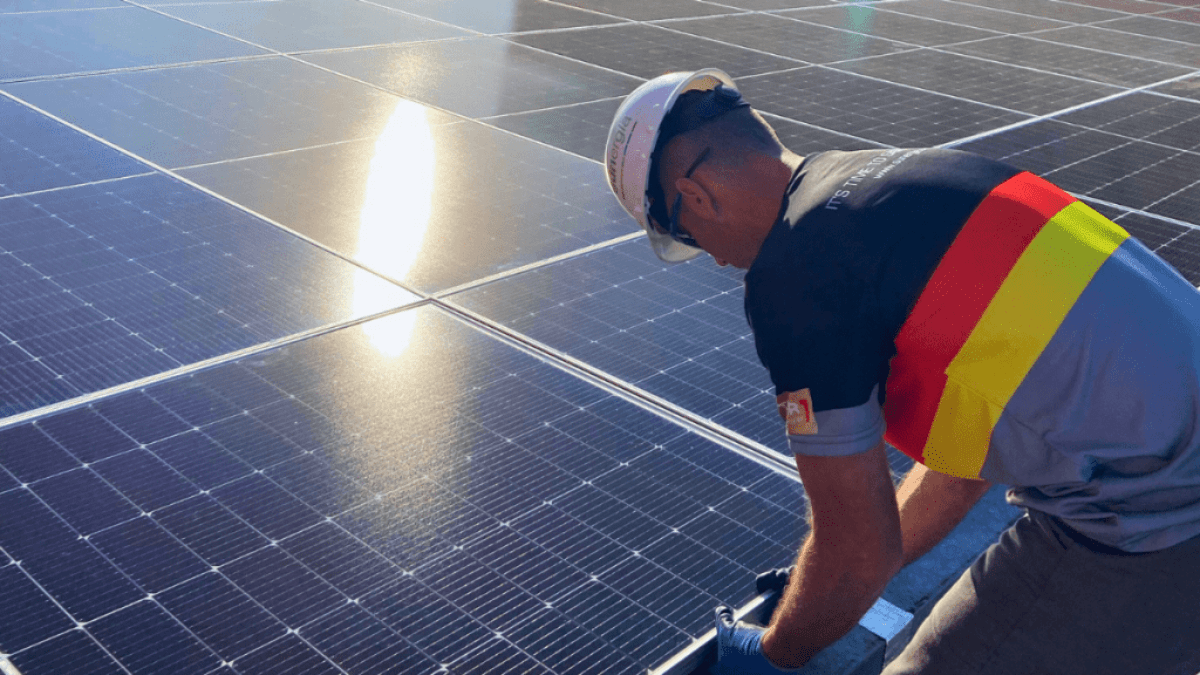
Solar energy installation is a structured process that ensures efficiency and security for your investment.
Embarking on the journey to energy independence with a photovoltaic system is an intelligent investment, but it requires careful planning. Solar energy installation follows well-defined technical and regulatory stages, ensuring that your system operates with maximum efficiency and in compliance with local utility regulations.
This guide details the complete process: from initial consumption assessment to final homologation. Therefore, you will know exactly what to expect when starting your solar energy installation and how to choose the ideal partner for your project.
Step 1: Feasibility Study and Sizing
The first and most important step is conducting a feasibility study. Without an accurate analysis, the photovoltaic system may generate insufficient energy or be oversized, resulting in an underutilized or excessive investment. Therefore, consulting with a specialized company is fundamental.
Consumption and Location Assessment
The integrator company will analyze your energy consumption history (usually the last 12 months) to determine the required system power. Additionally, they will inspect the solar installation site, evaluating:
- Available Space: Usable area on the roof or land.
- Structure: Compatibility of the structure and roof resistance.
- Solar Irradiation: Level of shading and optimal orientation (generally North).
Step 2: Technical Project and Equipment Selection
With the assessment data in hand, the engineering team develops the technical project. This project defines the exact layout of the panels, inverter specifications, and electrical schematics. The project is crucial as it will be submitted for utility approval.
Photovoltaic System Components
The choice of equipment directly impacts the performance of your photovoltaic system. It is crucial to opt for high-quality components from reliable suppliers. The project will define the type of inverter (string or microinverter) and the exact number of modules needed to achieve the desired generation. Component quality ensures the longevity and efficiency of your solar energy installation.

Correct sizing and the selection of a quality photovoltaic system maximize your ROI.
Step 3: Physical Installation and Final Homologation
Once the project is approved by the utility, physical solar energy installation begins. This stage is quick but requires extreme precision and safety.
Importance of a Specialized Team
Specialized labor ensures that panels are fixed correctly, electrical connections are safe, and the inverter is installed according to technical standards. A quality installation is vital for warranty validity and the long-term performance of your photovoltaic system.
Connection and Generation Start
After installation completion, the utility conducts a final inspection. Once approved, the energy meter is replaced with a bidirectional model that records both consumed energy and excess energy injected into the grid. Finally, the photovoltaic system is energized, and you begin generating your own energy and enjoying savings.

The final phase of solar energy installation involves the utility inspection and meter replacement.
Start Your Solar Energy Installation Now
Solar energy installation is a process involving planning, engineering, and execution excellence. Sunergia (/) offers the complete service, ensuring all stages are fulfilled so you can start saving as quickly as possible.
Whether for your residence or business, migrating to clean energy is the safest path to ensure financial predictability and sustainability.
Turn Your Company's Costs into Investment!
Ready to start solar energy installation at your company and ensure maximum savings? Check Our Solutions for Businesses!
Looking to save up to 95% on your energy bill with German engineering?
Talk to our solar engineering experts and request a customized technical feasibility study.


