


How Solar Energy Works for Homes and Businesses
Solar energy systems have evolved from niche technology to a cornerstone of modern sustainable infrastructure, offering both residential and commercial entities a pathway toward energy independence and significant cost savings.
The Core Components of a Photovoltaic System
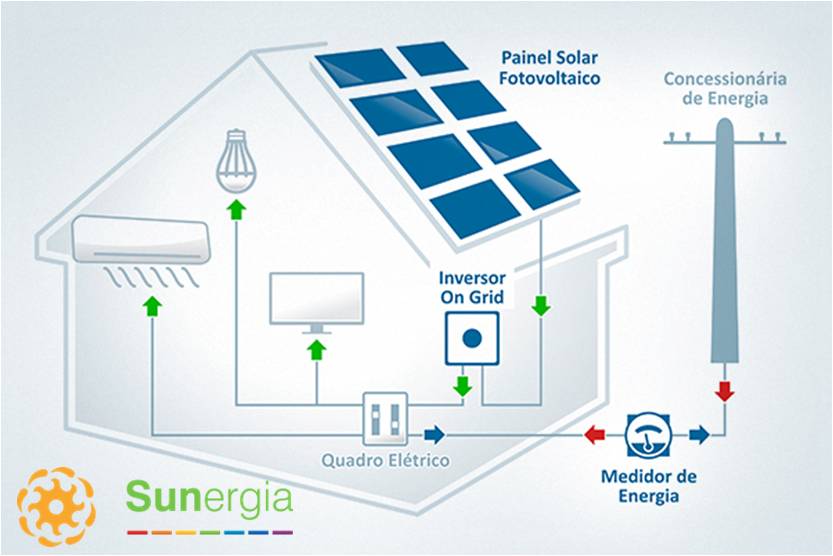
A standard grid-tied photovoltaic (PV) installation consists of several critical elements designed to maximize efficiency and reliability:
- PV Modules: High-efficiency solar panels that convert sunlight directly into direct current (DC) electricity.
- On-Grid Inverters: Essential devices that transform DC power from the panels into alternating current (AC) compatible with household appliances and the utility grid. Modern inverters often include maximum power point tracking (MPPT) to optimize energy harvest under varying light conditions.
- BESS Battery Storage: While not mandatory for all installations, battery energy storage systems (BESS) allow users to store excess energy generated during peak sunlight hours for use during evenings or grid outages, enhancing system resilience.
- Mounting Structures: Racking systems engineered to withstand local weather conditions while ensuring optimal tilt and orientation for maximum irradiance capture.
Regulatory Frameworks: The Role of ANEEL
In Brazil, the National Electric Energy Agency (ANEEL) governs the interconnection standards for distributed generation. Compliance with ANEEL regulations is mandatory for any system connecting to the public grid. These rules dictate safety protocols, metering requirements, and the technical specifications for inverters and protection devices. Adhering to these standards ensures that residential and commercial installations operate safely without compromising the stability of the wider electrical network.
Economic Viability and Payback Periods
The financial attractiveness of solar power is quantified through the payback period, which represents the time required for energy savings to offset the initial capital expenditure. Factors influencing this metric include:
- Local Electricity Tariffs: Higher utility rates accelerate the return on investment.
- Incentives and Net Metering: Policies allowing owners to sell excess energy back to the grid at favorable rates significantly improve project economics.
- System Size and Orientation: Properly sized systems aligned with roof orientation (typically south-facing in the Southern Hemisphere) ensure optimal generation profiles.
Achieving Grid-Zero Status
For businesses aiming for sustainability goals, achieving grid-zero status—where a facility produces as much or more energy than it consumes annually—is a prestigious milestone. This often involves combining rooftop PV arrays with BESS solutions to manage load profiles effectively. By reducing reliance on fossil-fuel-based grid electricity, organizations can lower their carbon footprint and enhance their corporate social responsibility (CSR) credentials.
Conclusion
Whether for a single-family home or a large industrial complex, solar energy represents a robust investment in the future. With advancements in PV technology, supportive regulatory frameworks like those enforced by ANEEL, and clear economic pathways, transitioning to renewable energy is no longer just an option—it is a strategic imperative.
For more detailed technical specifications or to discuss customizing a solar solution for your specific needs, please consult with certified engineering professionals.
Looking to save up to 95% on your energy bill with German engineering?
Talk to our solar engineering experts and request a customized technical feasibility study.


