


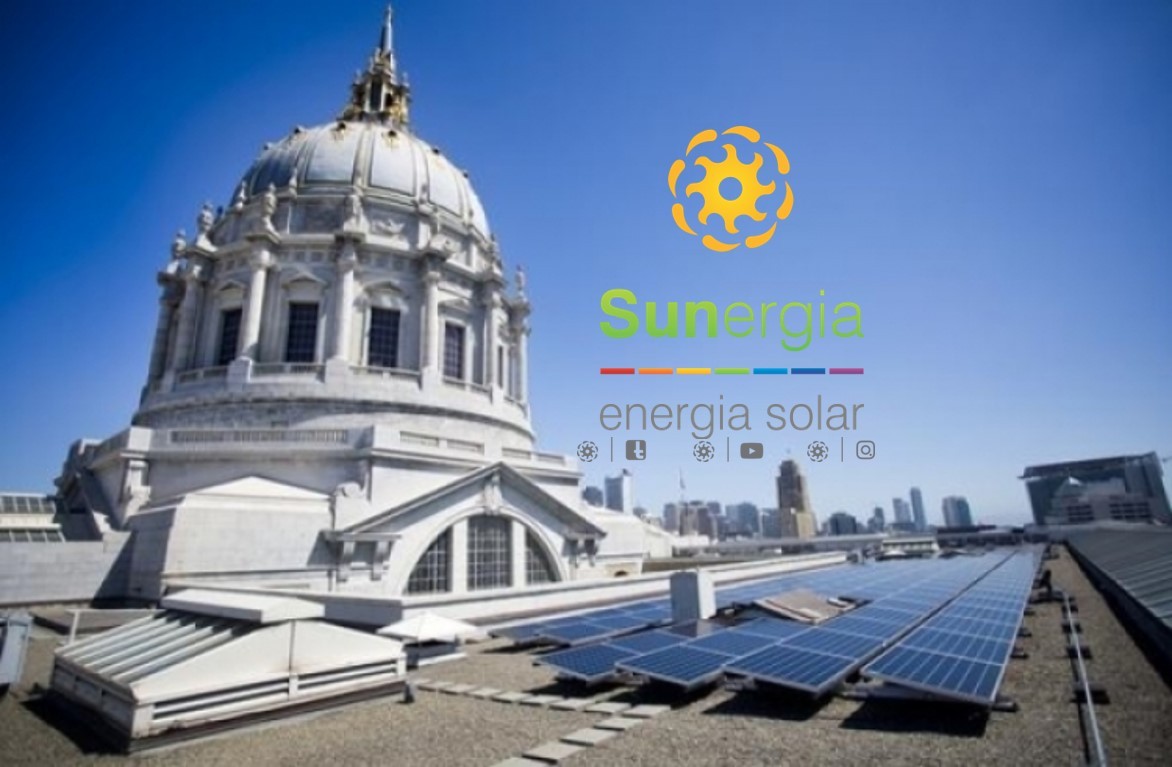
Why Choose Solar Energy for Your Construction?
Solar energy has emerged as a cornerstone of modern sustainable architecture. By harnessing the power of the sun, buildings can generate their own electricity, significantly reducing reliance on traditional grid sources and lowering carbon footprints.
Key Advantages:
- Cost Savings: Solar panels reduce or eliminate electricity bills over the system's lifespan. With advancements in technology, the payback period has become increasingly attractive, often ranging from 5 to 10 years depending on local incentives and energy consumption patterns.
- Energy Independence: Generating your own power provides resilience against grid outages and fluctuating energy prices. When paired with a Battery Energy Storage System (BESS), you can store excess energy for use during peak demand or nighttime hours, ensuring continuous power supply.
- Environmental Impact: Solar energy is clean and renewable. By switching to solar, you contribute to reducing greenhouse gas emissions and supporting global efforts against climate change.
- Increased Property Value: Buildings equipped with solar systems often command higher market values due to their lower operating costs and appeal to environmentally conscious buyers.
Technical Considerations for Solar Integration
When designing a solar-powered building, several technical factors must be considered to ensure optimal performance:
- PV Module Selection: Choose high-efficiency monocrystalline or polycrystalline modules that suit your roof's orientation and shading conditions. For grid-tied systems, on-grid inverters are essential for converting DC power from the panels into AC power compatible with the utility grid.
- Grid Connection: Ensure compliance with local regulations, such as ANEEL (Agência Nacional de Energia Elétrica) in Brazil or equivalent standards in other regions. Grid-zero capabilities allow systems to feed excess energy back into the grid, potentially earning credits through net metering programs.
- BESS Integration: Incorporating a Battery Energy Storage System enhances system reliability and allows for time-of-use optimization. Batteries can store surplus energy generated during sunny periods for use when solar production is low.
- Monitoring and Maintenance: Implement robust monitoring systems to track performance, detect faults, and optimize efficiency. Regular maintenance ensures long-term reliability and maximizes the system's lifespan.
Conclusion
Integrating solar energy into your construction project is a strategic move that delivers both economic and environmental benefits. As technology advances and regulations evolve, the case for adopting solar becomes even stronger. Whether you're building a new home, commercial facility, or industrial plant, solar energy offers a path toward a more sustainable future.
For more information on solar solutions tailored to your needs, visit our website or contact our team of experts today.


Contact Us to discuss your solar energy project.
Looking to save up to 95% on your energy bill with German engineering?
Talk to our solar engineering experts and request a customized technical feasibility study.


